Social Commerce Strategies Help Challenger Brands Grow
Challenger brands can use social commerce to turn early attention into stronger sales outcomes.


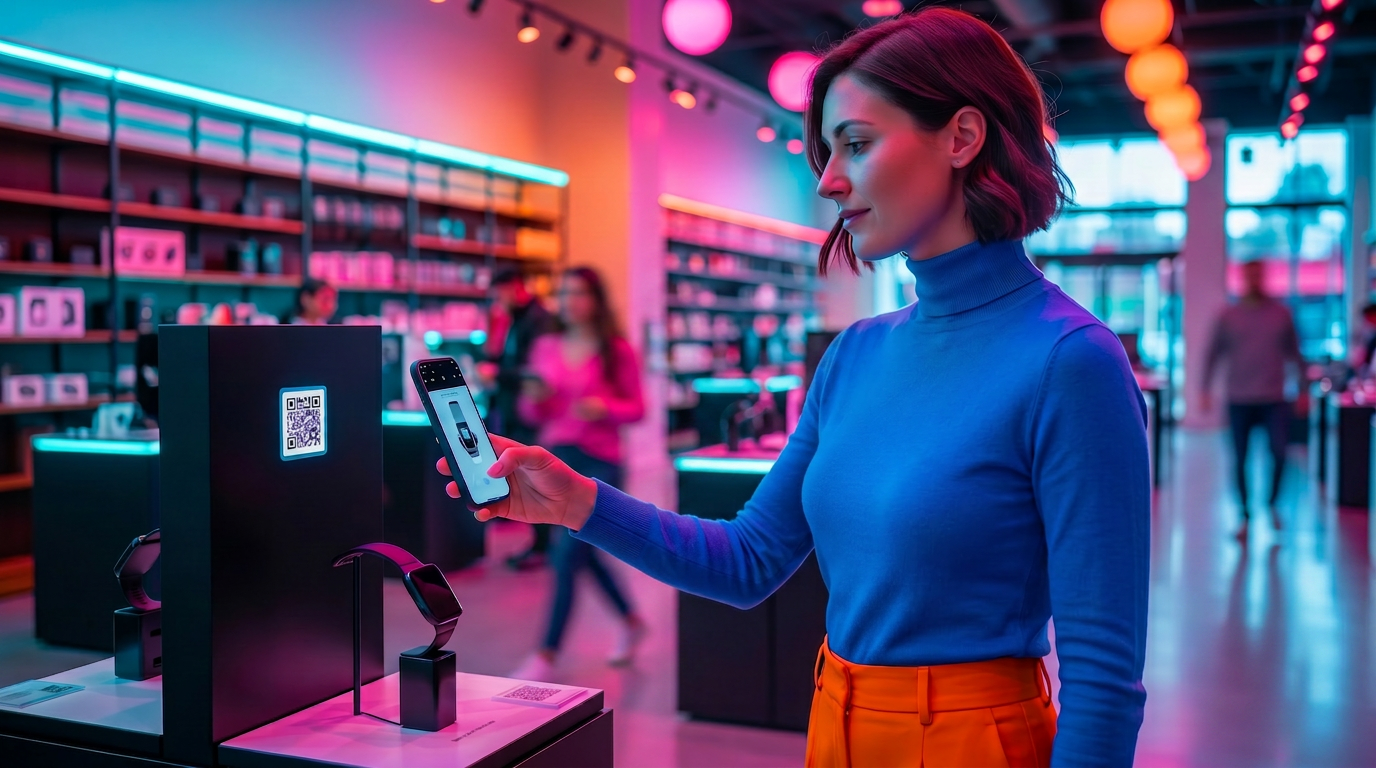
A shopper sees a new snack brand on Instagram while waiting for a flight. A few days later, she asks an AI shopping tool for healthier options for her kids, reads a couple of reviews, and moves on with her day. Then Saturday comes. She sees the product again in the grocery store, recognizes it, and drops it into her cart.
So which channel made the sale?
Marketing organizations spend a lot of time trying to answer that question. Yet the more useful question may be whether the organization was connected enough to understand the whole decision in the first place.
The shopper moved easily between discovery, research, consideration, and purchase. Behind the scenes, there’s a good chance the marketing operation didn’t. Social had its plan and reporting. Retail media had another. Shopper marketing owned the store. Ecommerce watched the digital shelf. Brand had its own investment priorities and key performance indicators (KPIs).
To the shopper, it was one experience with one brand. Inside the business, it may have crossed five teams, several platforms, and a collection of dashboards.
That’s the channel trap, and Goodway Group CEO Paul Frampton-Calero recently shared with The Drum why it’s becoming such a costly problem for marketers.
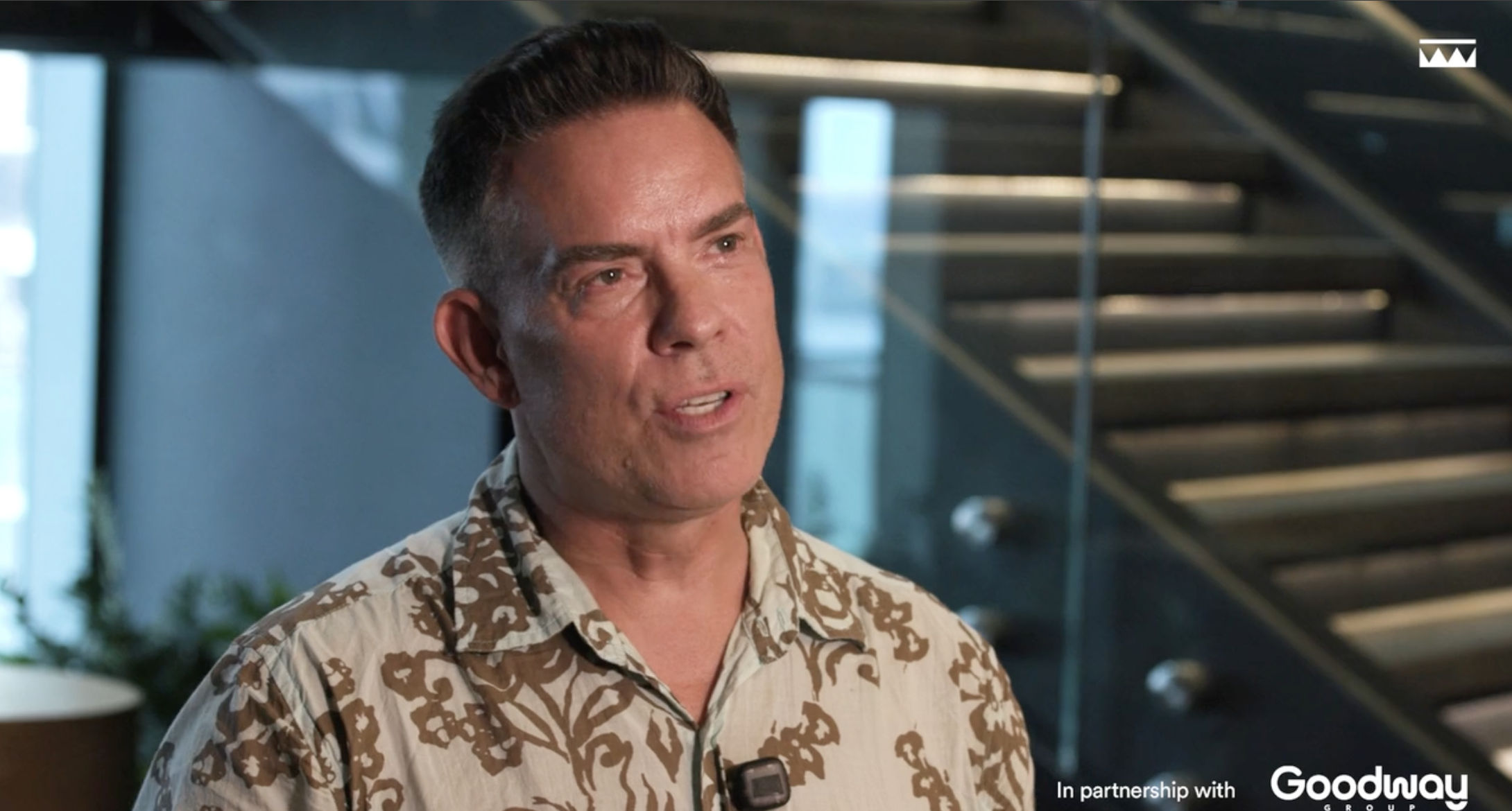
Paul’s point is simple: the way people shop has changed faster than the way many marketing organizations operate. A customer might discover something through Instagram or a large language model (LLM), research it elsewhere, visit a physical store, and return to mobile before deciding. Planning and measuring each of those moments independently gives marketers an incomplete view of a customer who never experienced those moments as separate in the first place.
For marketers, that disconnect is becoming harder to ignore. Media, data, creative, commerce, measurement, and the teams behind them need to work around how customers decide. That’s where Connected Commerce starts.
Physical retail is alive and well. More than 80% of U.S.retail sales still happen in stores, according to eMarketer, and the share is even higher in categories such as food and beverage.
What’s changed is everything that can happen before someone reaches that shelf.
A shopper may encounter a product through search, social, streaming media, an influencer, an AI assistant, or a retailer site. Reviews can push it onto a shortlist. Retail media can bring it back into view. A promotion may change the economics. Then an endcap, package, menu board, or storefront closes the loop.
Goodway Group thinks of this expanded decision environment as the modern shelf. It stretches across the places where people discover, research, compare, and buy, which means visibility extends well beyond where a product sits once someone walks into a store.
For CPG marketers, the implications are clear. National brand media, retailer media networks (RMNs), retailer search, off-site media, promotions, ecommerce, and physical merchandising can all contribute to the same purchase.
Multi-location businesses experience a different version of the same problem. National media may generate demand, while conversion happens market by market and location by location. Local competition, operating hours, capacity, inventory, and regional demand can determine whether that investment turns into a visit, an appointment, or a transaction.
This is where channel thinking starts to break down. Each individual tactic can perform well according to its own dashboard while the broader system leaves growth on the table.
Measurement makes the channel trap even easier to see.
Search naturally looks strong in last-click reporting because it sits close to intent. Retail media networks have their own attribution windows and definitions. Upper-funnel media can influence demand long before a purchase appears. In-store activity may contribute directly to the sale while barely appearing in digital reporting.
Put all of those reports together, and a CMO can end up with plenty of performance data without a confident answer to the question that comes up in the boardroom: What created incremental growth?
That question is getting more complicated as commerce media expands. EMARKETER forecasts U.S. commerce media spending will exceed $100 billion before the end of the decade, while McKinsey reports that advertisers now work with a median of roughly six commerce media networks, and two-thirds use five or more.
More options create more places for overlapping attribution, inconsistent definitions, and duplicated credit to creep into the story.
Goodway Group regularly sees this in work with CPG and multi-location organizations. Once you get past the platform dashboards, the questions get more useful: Which investment brought new buyers into the category or brand? Which retailer has additional headroom? Where’s return beginning to flatten? Which markets could absorb more demand? What happened in a store after someone saw media somewhere else?
Answering those questions requires a connected measurement approach that can bring together media mix modeling (MMM), incrementality testing, point-of-sale (POS) data, customer relationship management (CRM) data, retailer signals, and local business context.
Leaders get a clearer view of where the next dollar should go.
At Goodway Group, Connected Commerce brings together Commerce, Connection, and Consulting around the customer journey and the business outcome.
Commerce keeps the focus on outcomes such as revenue, transactions, store visits, purchase frequency, sell-through, and incremental growth. Connection brings together the media, audiences, data, signals, and creative that influence the decision along the way. Consulting addresses the operating models, technology, data readiness, processes, and organizational alignment that support the work.
These disciplines are closely linked because media fragmentation often reflects a larger organizational challenge.
A brand can have a sophisticated retail media strategy and still struggle if ecommerce, shopper, brand, analytics, and sales are optimizing toward different definitions of success. A multi-location business can run highly efficient national media while sending demand into locations that are already at capacity. Even the best customer signal loses value when it takes days or weeks to reach the people who can act on it.
Paul describes this as the data-to-action gap: the distance between learning something useful about the customer and putting that intelligence to work.
Close that gap, and insights can start shaping decisions while there’s still time to influence the outcome.
You can see what Connected Commerce looks like when those pieces start working together.
Consider Goodway Group’s work with Stella Rosa and Walmart Connect. The program drove 4X incremental sales at Walmart, exceeded the Walmart category benchmark by 143%, and delivered 2X ROAS. The campaign also generated an additional 2X in incremental sales outside the Walmart ecosystem.
That result shows why a channel-only view can be limiting. Media activated through one commerce environment influenced behavior that surfaced somewhere else.
For multi-location organizations, the same connected approach can help determine where demand can translate into business results.
In one multi-location healthcare engagement, integrating media performance with appointment capacity helped identify which clinics had room to grow and which were already constrained. Shifting investment accordingly increased total appointments by nearly 30% while cutting cost per appointment by more than half.
Media performance becomes much more useful when it's connected to what happens after the click.
Getting out of the channel trap starts with looking at where handoffs are slowing down decisions or obscuring performance.
Start with the business outcome. Can brand, commerce, media, sales, and finance agree on what marketing is expected to change? If every group arrives with a different scorecard, the measurement problem starts before the campaign does.
Look at your speed. How long does it take a useful signal to move from measurement into activation? A shopper who showed intent on Monday may be somebody else’s customer by the time the insight reaches the media team.
Scrutinize your measurement. Platform ROAS still has a job, but it shouldn’t carry the entire burden of proving business impact. Incremental revenue, new-to-brand growth, store traffic, transactions, appointments, and long-term value give leadership a stronger view of whether marketing changed the outcome.
For multi-location businesses, media investment should reflect differences in local demand, capacity, and growth potential.
AI is making it possible for marketing teams to analyze more signals, identify patterns faster, and respond to changing conditions sooner.
That can support faster scenario planning, more frequent modeling, earlier detection of diminishing returns, and quicker adjustments to media investment as performance changes.
Decisions are only as good as the data and processes behind them. Clear taxonomies, aligned KPIs, reliable data, and shared definitions help teams act on insights with more confidence and speed. For Connected Commerce, AI can be especially useful in reducing the time between learning something about the customer or the business and making a better decision because of it.
Goodway Group has spent more than 90 years helping brands turn marketing activity into physical business outcomes, and the way Goodway Group does that has changed repeatedly as commerce itself has changed. Today, that means connecting media, commerce, data, creative, technology, measurement, and operating models around the customer.
Goodway Group’s independence is an important part of that approach.
Clients come to Goodway Group with different needs. Some need strategy and execution across the full customer journey. Others need specialized expertise, technology, measurement support, or teams that can work alongside existing internal and agency partners.
The entry point can vary. The goal is to bring the right Goodway Group talent, capabilities, technology, and partners together around the business outcome.
Every organization has different gaps. The useful work begins by finding yours.
Maybe different teams are looking at the same performance through different KPIs. Perhaps your retail media investments are growing faster than your ability to measure incrementality. Your national strategy could be working while local execution leaves opportunity behind. Or your teams may have the right data, but decisions aren’t fast enough.
Those problems call for a clearer view of how the whole system is working.
Bring us your current media, commerce, and measurement approach. We’ll assess how your media, data, measurement, customer experience, and operating model connect today, then surface the areas where stronger connection could improve decision-making and performance.
You’ll leave with an outside perspective on where the gaps are, what deserves attention first, and where a deeper assessment may be valuable.
Your customers are already moving across the modern shelf; your marketing operation should be able to move with them.
Ready to see where stronger connection could improve performance and drive growth? Request your complimentary Connected Commerce Audit.


Let's talk about what's possible when strategy meets execution with precision.